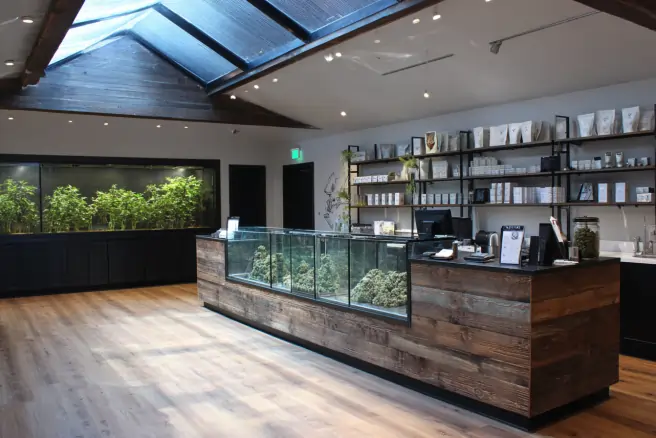
Exploring the Role of a Brooklyn Dispensary in Legal Cannabis for Medical and Recreational Use

dispensary in brooklyn NY

The global stance on cannabis legalization has undergone a significant transformation over the past few decades. As more evidence emerges regarding its medical benefits and the potential for economic growth, several countries have moved forward with creating frameworks for legal cannabis use, both medically and recreationally. Below is an exploration of nations that have embraced legalization and how their policies are shaping the industry.

Countries That Have Fully Legalized Cannabis

  • Canada: Canada legalized recreational cannabis in 2018 under the Cannabis Act. Adults may purchase, possess, and cultivate limited amounts of cannabis while licensed producers ensure quality control.
  • Uruguay: As the first country to fully legalize recreational cannabis in 2013, Uruguay allows residents to grow plants at home or purchase from licensed pharmacies.
  • Malta: In 2021, Malta became the first EU nation to legalize personal cultivation and possession of small amounts for adults over 18 years old.

Countries Permitting Only Medical Cannabis Use

  • Germany: Since 2017, Germany has permitted doctors to prescribe medical cannabis for various conditions such as chronic pain or multiple sclerosis.
  • Australia: Medical marijuana was legalized in Australia in 2016, where it is available under prescription through approved providers.
  • Thailand: Known for its groundbreaking reforms in Southeast Asia, Thailand legalized medical cannabis in 2018 alongside a regulated production system.
Country Legalized For Year Enacted Additional Notes
Canada Medical & Recreational 2018 Home cultivation allowed (up to four plants).
Uruguay Medical & Recreational 2013 The government monitors sales via pharmacies.
Germany Medical Only 2017 Patients require special prescriptions from doctors.

The Economic Impact of Legalization

  • Tax Gains: Colorado’s full legalization has generated over $2 billion in tax revenue since implementation.
  • Employment Opportunities: In Canada alone, thousands of individuals work directly within production facilities or retail dispensaries.

Emerging Trends Across the Globe

  1. United States Expansion: While federally restricted, many U.S states such as California or New York lead domestic legalization debates.
  2. South America Rising: Colombia recently proposed expanding exports beyond medicinal products into international markets.

This growing list reflects changing perspectives around public health concerns versus individual freedoms alongside financial opportunities stemming federally regulated systems worldwide

Discover the Benefits of Medical Cannabis at a Brooklyn Marijuana Dispensary

The global conversation around medical cannabis has grown significantly as more countries move toward its legalization. Advocates highlight a range of potential benefits, from effective symptom management in chronic illnesses to economic advantages for local communities. Below, we delve into some of the key benefits associated with medical cannabis and how its legalization is reshaping healthcare systems globally.

Improved Patient Care and Symptom Management

  • Chronic Pain: Cannabis-based treatments have been found to reduce pain in patients who struggle with conditions such as arthritis, multiple sclerosis, and neuropathy.
  • Epilepsy: Cannabidiol (CBD), a non-psychoactive compound in cannabis, has been approved in several countries as an effective treatment for rare forms of epilepsy like Dravet syndrome and Lennox-Gastaut syndrome.
  • Cancer Treatment Side Effects: Medical cannabis can help alleviate nausea, vomiting, and loss of appetite associated with chemotherapy treatments.
  • Mental Health Conditions: Emerging research suggests that cannabis may assist in managing anxiety disorders, PTSD (post-traumatic stress disorder), and depression when used under medical supervision.

These therapeutic applications are not only improving patient quality of life but also reducing dependence on more harmful drugs like opioids.

Boosting Economic Growth

  • Employment opportunities arise in cultivation facilities, dispensaries, research labs, and distribution networks.
  • Ancillary industries such as packaging, marketing, legal services, and security also benefit from the growth of this sector.
  • Governments collect taxes on both production and sale of medical cannabis products.
  • Funds raised from these taxes can be reinvested into public services such as education or healthcare systems.
  • As more countries legalize medicinal use of cannabis, research institutions often collaborate with private companies to develop new formulations or delivery methods (e.g., oils, sprays).

Shifting Public Perception Through Scientific Research

A critical aspect driving the legalization movement is the growing body of scientific evidence supporting the safety and efficacy of medical marijuana when used appropriately in dispensaries like www.brooklyndispensary.net. Studies investigating long-term effects continue to dispel misconceptions about dependency risks or adverse health consequences.

Condition Evidence Level Notable Findings
Chronic Pain Strong THC-CBD combinations provide significant pain reduction
Seizure Disorders Compelling CBD reduces seizure frequency by up to 50% in trials
Anxiety/PTSD Moderate Low doses may reduce symptoms without psychoactive effects

Navigating Challenges for a Successful Brooklyn Weed Store

Despite its many benefits, challenges remain for global acceptance and implementation of medical cannabis legalization:
– Regulatory frameworks differ widely across countries, leading to inconsistencies in product quality standards. – Social stigma still surrounds its use due to decades-long prohibition efforts.
– Affordability continues to hinder access for lower-income patients without insurance coverage.

Addressing these challenges will require collaboration between governments, healthcare professionals, researchers, and industry leaders worldwide to create sustainable solutions that balance access with safety concerns.

Medical cannabis offers a unique opportunity for improving lives while driving economic progress—making it a topic well worth continued exploration among policymakers globally.

Discovering the Benefits of Medical Cannabis at a Brooklyn Cannabis Shop

The growing acceptance of medical cannabis has sparked widespread discussion about its potential health benefits and societal impact. As research expands and more countries legalize cannabis for medical use, it becomes essential to understand the significant advantages that medical cannabis offers to patients, healthcare systems, and economies globally.

Key Health Benefits of Medical Cannabis

  • Chronic Pain Management: Cannabis has shown promise in relieving chronic pain caused by conditions such as arthritis, fibromyalgia, and neuropathy. Cannabinoids interact with the body’s endocannabinoid system to reduce inflammation and pain perception.
  • Reduces nausea and vomiting associated with chemotherapy
  • Stimulates appetite in patients experiencing cachexia or weight loss
  • Offers pain relief during advanced stages of cancer
  • Neurological Benefits: Certain cannabinoids, such as cannabidiol (CBD), have been noted for their neuroprotective properties. They may help manage symptoms of epilepsy (e.g., Dravet syndrome), multiple sclerosis, Parkinson’s disease, and Alzheimer’s disease.
  • Helps reduce anxiety in specific cases when used appropriately
  • Shows potential for managing PTSD symptoms in veterans
  • Aids patients dealing with insomnia through relaxation effects
  • Improvement in Quality of Life: For patients living with chronic illnesses or terminal conditions, medical cannabis can improve overall comfort and enhance daily functioning.

The Global Impact of Legalizing Medical Cannabis

  1. Countries that legalize medical cannabis often see increased tax revenue from regulated markets.
  2. Job creation spans multiple sectors, including cultivation, production, distribution, research, and retail.
  3. Opportunities arise for exports as countries develop robust cultivation programs.
  4. Advancements in Scientific Research: Legalization promotes funding for clinical trials aimed at understanding cannabis’s therapeutic effects more comprehensively. This contributes to safer dosing guidelines and newer treatments.
  5. Reduced Stigma Around Treatment Options: Legalization helps normalize the use of alternative medicines like cannabis among both patients and healthcare professionals.

Comparative Table: Countries Allowing Medical Cannabis Use

Country Year Legalized Conditions Treated Notes
Canada 2001 Chronic pain, epilepsy, cancer Fully legalized for recreational use too.
Germany 2017 MS spasms, severe pain Covered by insurance under specific cases
Australia 2016 Palliative care-related symptoms State regulations differ
Israel Early 1990s PTSD, chronic illness Leader in cannabis research
United States* Varies by state (1996 onward) Varies significantly

*Note: In the U.S., laws differ between federal oversight and state-by-state implementation.

Addressing Challenges Through Regulation

  • Ensuring consistent quality standards across products
  • Balancing affordability while limiting black-market competition
  • Educating healthcare professionals on safe prescribing practices

As more countries embrace legalization policies tailored to their unique needs, medical cannabis could become an integral part of modern medicine worldwide. Its potential not only lies in health improvement but also reshaping societal perceptions around natural therapeutics.

Agropharm’s Role in Advancing Cannabis Cultivation and Investment Opportunities

The global cannabis industry has witnessed a significant transformation over the past decade, driven by legalization, technological advancements, and investment interest. Agropharm is one of the leading entities contributing to this evolution by focusing on innovative cultivation techniques and creating opportunities for investors. Below is a detailed exploration of Agropharm’s role in shaping this dynamic landscape.

Pioneering Advanced Cultivation Techniques

  • Precision Agriculture: By employing data-driven techniques such as soil monitoring, climate optimization, and automated irrigation systems, Agropharm ensures consistent crop yields while reducing waste.
  • Sustainable Practices: The focus on eco-friendly methods—like using renewable energy sources and minimizing water consumption—aligns with global efforts to reduce environmental impact.
  • Genetic Research: Agropharm invests heavily in genetic research to develop high-quality cannabis strains that cater to diverse medical and recreational needs.

This emphasis on science-backed practices not only improves product quality but also sets a benchmark for responsible cultivation within the industry.

Driving Investment Opportunities

Agropharm plays a critical role in attracting investors to the cannabis sector by offering lucrative opportunities supported by transparent operations and strategic insights.

Key Areas of Investment:
  1. Cultivation Infrastructure: Expanding large-scale cultivation facilities equipped with advanced technologies.
  2. Research & Development: Funding studies on cannabinoids, medical applications, and innovative product formulations.
  3. Global Market Entry: Supporting ventures into emerging markets where legalization is gaining momentum.

The company provides potential investors with detailed market analytics, legal frameworks, and financial forecasts to build confidence in their investment decisions.

Collaboration With Governments & Regulatory Bodies

  • Assisting governments in drafting policies around cultivation standards.
  • Providing training programs for growers to meet legal requirements.
  • Advocating for international standardization that aligns production practices globally.

By fostering these partnerships, Agropharm facilitates a smoother path for the global expansion of legalized cannabis markets.

Impact on Local Economies

Benefit Description
Job Creation Employment opportunities across farming, R&D, logistics, and manufacturing sectors are on the rise due to expanding operations.
Tax Revenue Growth Legalization combined with proper corporate governance helps governments collect significant revenue through taxation policies tied to production and sales.
Skill Development Training programs empower workers with specialized knowledge about sustainable agriculture techniques.

Future Outlook

Agropharm’s commitment to innovation positions it as a leader within the rapidly growing cannabis industry. By merging advanced technologies with responsible business practices, it aims to elevate not only its stakeholders but also drive sustainable growth across global markets connected to cannabis legalization trends.

Understanding Quality Standards in Cannabis Cultivation and Environmental Management

Meeting quality standards in cannabis cultivation is essential for ensuring both product integrity and environmental sustainability. As the industry continues to expand globally, adherence to stringent quality control measures and environmentally conscious practices has become a hallmark of responsible cannabis operations. Below, we explore the key aspects of maintaining high standards in cannabis cultivation while addressing critical environmental concerns.

Key Quality Standards in Cannabis Cultivation

  • Good Agricultural Practices (GAP): Focuses on safe and sustainable farming methods that minimize contamination risks.
  • Good Manufacturing Practices (GMP): Ensures products are consistently produced and controlled according to quality norms.
  • Cannabis Testing Protocols: Regular testing for contaminants such as pesticides, heavy metals, mold, and residual solvents is crucial.
  • Standardization of Cannabinoid Content: Guaranteeing consistency in THC and CBD levels across batches enhances consumer trust.

Environmental Management in Cannabis Cultivation

  1. Techniques such as drip irrigation reduce water waste.
  2. Recycling systems allow growers to reuse water while maintaining nutrient balance.
  3. Transitioning to energy-efficient LED grow lights decreases electricity consumption.
  4. The use of renewable energy sources like solar or wind power minimizes carbon emissions.
  5. Organic farming techniques, including cover cropping and composting, protect soil quality.
  6. Avoidance of chemical fertilizers reduces environmental harm.
  7. Proper disposal methods for plant waste prevent contamination of ecosystems.
  8. Recycling packaging materials reduces landfill contribution.
Key Environmental Concerns Sustainable Solutions
High water consumption Drip irrigation, water recycling systems
Excessive energy usage Use of renewable energy sources, LED lighting
Soil degradation Organic farming practices
Improper disposal of plant waste Composting, eco-friendly waste management plans

Certification Programs Promoting Sustainability

  • Certified Clean Green: Focuses on organic compliance tailored specifically for cannabis producers.
  • LEED Certification (Leadership in Energy & Environmental Design): Recognizes facilities designed with sustainable resource use.
  • Fair Trade Certifications: Promote ethical labor practices alongside environmental stewardship.

Challenges Facing Standardization Efforts

Despite progress, there remain challenges tied to enforcing universal standards: – Regulatory differences among countries create inconsistencies in compliance requirements. – Costs associated with adopting advanced technologies may deter smaller cultivators from participating fully.

Embracing these principles not only ensures product safety but also builds a foundation for long-term industry sustainability. A commitment to both high-quality production and environmental responsibility will play a pivotal role in the future success of cannabis businesses worldwide.

The Importance of Occupational Health in the Cannabis Industry’s Workforce

The cannabis industry has seen exponential growth over the past decade, driven by evolving legalization frameworks and the increasing acceptance of cannabis for both medical and recreational use. However, with this rapid expansion comes a crucial need to address occupational health within the workforce. Like any other sector, ensuring the health and safety of employees is essential not only for legal compliance but also for fostering productivity, morale, and long-term sustainability.

Key Occupational Health Risks in the Cannabis Industry

  • Exposure to Allergens: Cannabis plants produce pollen that can trigger allergic reactions such as rhinitis or dermatitis in susceptible individuals.
  • Repetitive Strain Injuries (RSIs): Workers involved in trimming, packaging, or cultivating may develop musculoskeletal strain due to repetitive tasks or poor ergonomics.
  • Chemical Exposure: Pesticides, cleaning agents, and fertilizers used in cultivation can pose chemical hazards if proper handling protocols are not followed.
  • Respiratory Issues: Inhalation of fine plant particles during processing or mold spores from improperly stored cannabis can lead to respiratory conditions.
  • Fire Hazards: Facilities that use solvents for extraction processes face an increased risk of fires or explosions if safety measures are neglected.

Strategies for Promoting Occupational Health

  1. Educate workers on safe handling practices for chemicals and equipment.
  2. Provide allergen awareness training for those interacting with raw plant material.
  3. Equip employees with gloves, masks, goggles, and other necessary PPE depending on their role.
  4. Ensure proper usage through regular training sessions.
  5. Design trimming tables and packaging stations to minimize strain on muscles and joints.
  6. Rotate tasks among workers to prevent repetitive motion injuries.
  7. Install advanced ventilation systems to control dust particles and airborne allergens.
  8. Conduct regular inspections to identify mold or other contaminants early.
  9. Develop clear procedures for fire safety during extraction activities involving flammable solvents.
  10. Train employees on evacuation plans and first aid practices.

The Role of Regulation in Worker Safety

Regulatory Requirement Description
Worker Safety Training Evidence of employee training programs
PPE Standards Verification that adequate protective gear is provided
Chemical Handling Protocols Records showing proper labeling/storage practices
Incident Reporting Procedures Documentation of incident investigations

Adhering to these regulations not only minimizes liability but also helps establish a positive reputation within an increasingly competitive market.

Benefits of Investing in Workforce Health

Prioritizing occupational health yields several tangible benefits for cannabis operators: – Reduced absenteeism due to illness or injury – Improved employee retention rates – Enhanced operational efficiency through healthier workers – Greater compliance with legal requirements, reducing potential fines

As the industry continues its global expansion, proactive measures in occupational health will remain critical for ensuring both employee well-being and business success. This focus reflects an overarching commitment toward sustainable growth while safeguarding one of its most valuable assets—the workforce itself.

Legal Advice You Need to Know About the Global Cannabis Industry

The global cannabis industry is expanding rapidly, with more countries adopting legalization for medical, and in some cases, recreational use. For businesses, investors, and entrepreneurs entering this market, understanding the legal landscape is critical to success. Below is a comprehensive overview of key legal considerations when navigating the global cannabis industry.

Regulatory Frameworks Vary by Country and Region

One of the biggest challenges in the cannabis sector is the diversity of legal frameworks across different jurisdictions. While some countries have fully legalized cannabis for both medical and recreational purposes (e.g., Canada), others may allow only limited medical use or decriminalize possession without permitting commercialization. Key considerations include:
Medical vs. Recreational Laws: Understand whether a country allows only medicinal use or both medicinal and recreational consumption.
Licensing Requirements: Many jurisdictions require licenses for cultivation, distribution, and retail operations. Licensing processes can be complex and time-consuming. – Import/Export Restrictions: Countries like Germany permit imports of medical cannabis under strict regulations, while other nations prohibit cross-border trading entirely.

Country Medical Use Recreational Use Import/Export Rules
Canada Legal Legal Export allowed with permits
Germany Legal Illegal Imports allowed for medical purposes
United States Varies by state Varies by state Federally illegal to import/export

Intellectual Property Rights in Cannabis Products

As the market grows, protecting intellectual property (IP) becomes increasingly critical for businesses innovating in cultivation techniques or developing proprietary strains. Important IP considerations include:
Trademarks: Brand names and logos associated with cannabis products may face trademark registration challenges due to varying international legality. – Patents: Unique genetic strains or methods of production can be patented in some jurisdictions but may lack protection in others. – Trade Secrets: Innovations that cannot be patented should remain protected through strict confidentiality agreements.

Compliance With International Laws

The global nature of cannabis trade introduces complexities surrounding international agreements:
1. The United Nations’ Single Convention on Narcotic Drugs (1961) still classifies cannabis as a controlled substance, creating conflicts between national legalization efforts and international obligations. 2. Businesses engaging in trade must ensure compliance with both domestic laws and international treaties to avoid penalties.

Banking Challenges for Cannabis Businesses

Accessing banking services remains one of the most significant hurdles due to federal restrictions in certain countries like the United States: – Traditional banks hesitate to service cannabis companies operating in federally prohibited spaces. – Alternative financial solutions such as cryptocurrency or specialized credit unions are emerging but carry risks.

Ensuring Proper Due Diligence

Before investing or launching operations within any jurisdiction: 1. Conduct thorough research into local laws governing cultivation, distribution, and sale. 2. Consult attorneys specializing in cannabis law for detailed guidance. 3. Avoid assuming that policies in one country mirror those elsewhere; each jurisdiction has distinct requirements.

Staying informed about evolving regulations is essential as governments worldwide revisit their positions on cannabis legalization amidst growing public support and economic potential.


Key Differences Between Brooklyn Marijuana Dispensary Retail Facilities and Cannabis Cultivation Facilities
Handsome man working in package-free store using reusable containers. Zero waste shops offering package-free bulk goods and sustainable alternatives. stock photo

The cannabis industry is composed of various sectors, each playing a critical role in the production and distribution of cannabis products. Among these, cannabis cultivation facilities and retail facilities are two key pillars. While both serve essential functions, they differ significantly in terms of operations, infrastructure, and economic impact.

Key Differences Between Cannabis Cultivation and Retail Facilities

  1. Cannabis Cultivation Facilities: Focus on growing and harvesting cannabis plants. They are responsible for producing raw materials such as flower, oils, and other derivatives used in finished products.
  2. Cannabis Retail Facilities: These are consumer-facing establishments where processed cannabis products are sold to customers for medicinal or recreational use.
  3. Cultivation Facilities typically require:
    • Greenhouses or indoor grow areas equipped with advanced lighting systems.
    • Climate control systems to maintain optimal temperature and humidity levels.
    • Irrigation systems for consistent plant health.
  4. Retail Facilities, on the other hand, focus on customer-oriented spaces with requirements such as:
    • Inventory storage areas compliant with local regulatory standards.
    • Modern display setups for product visibility.
    • Secure checkout points to ensure compliance with legal purchasing limits.
  5. Regulatory Compliance
    Both types of facilities face stringent regulations but differ in focus:
  6. Cultivation facilities must comply with agricultural standards such as pesticide use limitations and testing protocols for contaminants like mold or heavy metals.
  7. Retail facilities must adhere to age verification laws, product labeling requirements, and point-of-sale tracking systems.
  8. Workforce Composition
    The workforce in cultivation facilities includes horticultural experts, botanists, and processing staff. In contrast, retail establishments employ sales representatives trained to provide knowledgeable recommendations to customers alongside administrative staff managing compliance.

Economic Impact of Cultivation vs. Retail

Aspect Cultivation Facilities Retail Facilities
Job Creation High demand for agricultural roles such as growers, trimmers, and lab technicians. Increased employment opportunities for sales associates and customer service representatives.
Capital Investment Significant upfront costs related to land acquisition, construction of greenhouses/indoor farms, equipment installation (e.g., lighting systems). Lower initial investments focused primarily on storefront setup and inventory management.
Revenue Generation Generates revenue indirectly by supplying raw materials to manufacturers or brands that produce finished goods like edibles or oils. Direct revenue generation from product sales to end consumers at a markup price.

Broader Considerations

  • Environmental Impact: Cultivation has a more significant environmental footprint due to high water usage and energy consumption associated with indoor growing operations. Conversely, retail facilities have a smaller physical footprint but contribute indirectly through waste generated from packaging materials.
  • Community Contribution: Many retail dispensaries actively engage with local communities by hosting educational events about safe cannabis consumption or participating in philanthropic initiatives. Meanwhile, cultivation sites often support rural economies by creating jobs in less urbanized regions.

By understanding the distinct roles that cultivation and retail play within the cannabis supply chain as well as their respective economic impacts, stakeholders can better appreciate how these sectors shape the overall industry landscape while influencing broader societal outcomes.

Exploring the Consumer Experience at a Brooklyn Dispensary

Creating a memorable and satisfying consumer experience is essential for the success of any cannabis retail facility. With the rapid expansion of the cannabis industry, dispensaries are focusing on customer-centric strategies to set themselves apart in a competitive market. This article explores key factors that influence the consumer experience and how facilities can optimize for satisfaction, loyalty, and growth.

Creating the Perfect Atmosphere and Design for a Brooklyn Weed Store

  • Layout: An organized store layout makes it easier for customers to navigate product categories.
  • Lighting: Bright yet soft lighting enhances visibility without creating an overly clinical atmosphere.
  • Aesthetic Appeal: Incorporating natural tones, greenery, and modern design elements creates a relaxed ambiance.
  • Privacy Areas: Dispensaries can include discreet spaces where customers can ask questions or seek advice without feeling intimidated.

By refining these aspects, dispensaries create a welcoming environment that fosters trust and encourages repeat visits.

Staff Knowledge and Customer Engagement at a Brooklyn Cannabis Shop

  • Training Programs: Regular training sessions ensure staff stay updated on product offerings, dosing recommendations, and legal guidelines.
  • Personalized Recommendations: Staff should ask open-ended questions to understand individual needs before offering tailored advice.
  • Customer Service Skills: Encouraging empathy, patience, and active listening helps build rapport with customers.

A helpful budtender not only enhances the shopping experience but also builds long-term loyalty among visitors.

Point-of-Sale Systems

Modern dispensaries use advanced point-of-sale (POS) systems to simplify transactions. Features like mobile payment options or integrated inventory management reduce wait times at checkout.

Online Pre-Ordering

Many consumers value efficiency when shopping for cannabis products. Online pre-ordering systems allow them to browse menus ahead of time, place orders remotely, and pick up their purchases with minimal delays.

Benefit Description
Convenience Customers skip in-store browsing altogether
Reduced In-Store Traffic Streamlines foot traffic during peak hours
Upselling Opportunities Digital menus offer related product suggestions

Educational Kiosks

Interactive kiosks within a dispensary provide educational resources about strains, effects, dosages, or consumption methods—empowering consumers with valuable knowledge during their visit.

Creating Community Connection

  • Hosting educational workshops focused on safe consumption practices.
  • Partnering with local artists or vendors to showcase their products inside stores.
  • Offering loyalty programs or exclusive deals for regular customers.

These efforts not only elevate in-store experiences but also position dispensaries as integral parts of their communities.

Measuring Success Through Feedback

To ensure continuous improvement, cannabis retail facilities should actively seek customer input through surveys or informal feedback mechanisms. Using this data allows businesses to identify pain points while recognizing areas where they excel. Metrics like Net Promoter Score (NPS) or customer retention rates provide valuable insights into how well facilities meet expectations.

A strong focus on optimizing every aspect of the consumer journey—from store design to personalized service—gives cannabis retailers an edge in this evolving industry landscape while fostering lasting relationships with their clientele.

The Economic Impact of Cannabis Cultivation Compared to Cannabis Retail

The cannabis industry is an ever-expanding sector contributing significantly to local and national economies. Two key players within the industry are cannabis cultivation facilities and cannabis retail establishments. While both are integral to the ecosystem, their economic contributions differ in scale, focus, and community impact. This article explores these distinctions in detail.

Revenue Generation: Cultivation vs. Retail

  • Cannabis Cultivation Facilities:
    These facilities primarily derive income from wholesale transactions, selling their raw or processed products (e.g., dried flower, oils, concentrates) to dispensaries or other supply chain participants. Their revenue largely depends on operational efficiency, crop yield per square foot, and product quality.
  • Cannabis Retail Facilities: Retail establishments operate as consumer-facing businesses that purchase wholesale products from cultivators or manufacturers. Their revenue stems directly from end-user sales and is influenced by factors such as location, marketing strategies, customer service quality, and product diversity.
Key Metric Cultivation Facilities Retail Facilities
Primary Revenue Stream Wholesale sales Consumer sales
Influencing Factors Crop yield, production costs Customer traffic, product pricing
Market Dependence Supply chain partnerships Direct consumer demand

Employment Opportunities

  • Growers
  • Horticulturists
  • Lab technicians (for testing potency or contaminants)
  • Harvest workers
  • Quality assurance specialists
  • Budtenders
  • Store managers
  • Sales associates
  • Inventory specialists
  • Marketing coordinators

While cultivation facilities often require specialized skills like horticulture expertise or agricultural experience, retail roles frequently emphasize customer service and product knowledge.

Economic Impact on Local Communities

  1. Tax Revenue Contributions:
    Cultivators contribute through agricultural property taxes and business income taxes. On the other hand, retailers generate substantial sales tax revenue due to direct consumer transactions.
  2. Cultivation facilities often stimulate rural economies by utilizing large swathes of farmland or industrial spaces.
  3. Retail locations drive urban development by increasing commercial activity in high-traffic areas.
  4. Ancillary Businesses:
    Both types of establishments support ancillary industries such as packaging suppliers, equipment manufacturers, construction companies for facility build-outs, legal consultants specializing in cannabis regulations, and marketing agencies.

Scalability Challenges

  • Cultivation requires significant upfront investment for land acquisition or leasing space with precise environmental controls (lighting systems, irrigation infrastructure). Scaling up involves additional resources like skilled labor and advanced technology.
  • For retailers, expansion hinges more on securing prime locations within compliance zones regulated by state/local laws while navigating licensing requirements.

Long-Term Sustainability

  • Cultivators must address environmental concerns related to water usage and energy consumption while focusing on innovation like eco-friendly growing techniques.
  • Retailers need to adapt quickly to evolving consumer preferences through enhanced user experiences such as online ordering integrations or premium loyalty programs.

Understanding these nuances can help stakeholders make informed decisions about investments in either segment while acknowledging their unique contributions to a robust cannabis economy.

Asian man choosing cannabis buds, with cannabis equipment and accessories on the table. stock photo

Transforming Your Cannabis Business with Modern Consumer Experiences

As the cannabis industry continues to expand, creating a modern and meaningful consumer experience has become essential for businesses aiming to remain competitive. Consumers today expect more than just a product; they value an immersive, convenient, and personalized retail experience. By leveraging innovative strategies and tools, cannabis businesses can elevate their operations while fostering brand loyalty.

The Importance of a Consumer-Centric Approach

  • Higher customer retention: A positive buying experience encourages repeat visits.
  • Increased sales: Personalization and convenience can lead to upselling opportunities.
  • Enhanced brand reputation: Satisfied customers are more likely to recommend your business.

Strategies for Modernizing the Consumer Experience

  1. Introduce online ordering systems or mobile apps for pre-ordering and delivery.
  2. Use digital kiosks in-store for quick purchases or product education.
  3. Enable seamless payment options such as contactless payments.
  4. Incorporate data analytics to understand customer preferences.
  5. Offer tailored recommendations based on purchase history or interests.
  6. Use targeted marketing campaigns via email or SMS.
  7. Create welcoming spaces with aesthetically pleasing layouts.
  8. Utilize technology like interactive touchscreens for educating customers about products.
  9. Organize spaces effectively so consumers can easily navigate between categories (e.g., flower, concentrates, edibles).
  10. Equip staff with knowledge about products to provide better guidance to consumers.
  11. Train employees in active listening skills to understand individual customer needs.

Key Elements of an Exceptional Cannabis Retail Experience

Element Description Example
Personalization Tailored recommendations based on preferences Suggesting CBD-rich products for relaxation-focused buyers
Education Providing in-depth knowledge on products Offering workshops or pamphlets about terpene profiles
Convenience Streamlined purchasing processes In-store self-checkout kiosks or curbside pickup
Transparency Clear information regarding pricing and sourcing Displaying lab test results prominently

Staying Ahead with Consumer Trends

  • Adopt eco-friendly packaging materials to reduce environmental impact.
  • Partner with local organizations or minority-owned brands within the community.
  • Invest in community events or educational programs centered around cannabis use.

Measuring Success

Modernizing the consumer experience doesn’t stop at implementation; it’s vital to assess its impact regularly. Use tools such as surveys, feedback forms, and analytics platforms to gauge customer satisfaction and identify areas for improvement.

Businesses that prioritize modern consumer experiences not only see immediate benefits but also set themselves up as trusted leaders as the cannabis industry matures further into mainstream markets.

Cannabis Industry Predictions and Trends for 2024

The cannabis industry continues to evolve at a rapid pace, with 2024 poised to bring significant advancements, challenges, and opportunities. As legalization expands and consumer preferences shift, businesses must remain agile to capitalize on trends that define the future of the market. Below are some key predictions and trends expected to shape the cannabis industry in 2024.

Regulatory Developments

  • Federal Legalization Efforts: Momentum is building for federal legalization in the United States. If passed, this could open new doors for interstate commerce and banking reform.
  • Taxation Reforms: Governments may adjust tax rates on cannabis products to address issues like black market competition or affordability.
  • Product Labeling Standards: As consumer awareness grows, regulations mandating accurate potency labeling and ingredient transparency are expected to tighten.

Product Innovations

  1. Faster onset times and better absorption rates make water-soluble cannabinoids attractive for beverages and edibles.
  2. Compounds like CBN (cannabinol) or THCV (tetrahydrocannabivarin) will gain traction due to their unique health benefits.
  3. Personalized options that combine THC, CBD, terpenes, and other cannabinoids will cater to individual preferences.

Technology Integration

  • Predictive analytics can help growers optimize yields while allowing retailers to anticipate inventory demand.
  • Online platforms continue growing as consumers seek convenient shopping experiences with delivery or curbside pickup options.
  • Blockchain technology ensures transparency by tracking product origins from seed-to-sale.
Technology Type Benefit Applicable Area
AI-Powered Analytics Improved decision-making Cultivation/Retail
E-Commerce Platforms Enhanced convenience Consumer Engagement
Blockchain Systems Better traceability Compliance/Logistics

Sustainability Initiatives

  • Switching to energy-efficient LED lighting systems for indoor grows.
  • Using organic farming methods instead of chemical fertilizers.
  • Employing recyclable packaging solutions wherever possible.

Market Consolidation

Mergers and acquisitions (M&A) are expected to accelerate as larger players seek economies of scale while smaller businesses struggle with compliance costs or limited resources.

Industries related directly or indirectly—such as agriculture technology firms or logistics providers—may also see increased collaboration with cannabis companies looking for innovative partnerships.

By embracing these trends thoughtfully, stakeholders can prepare their businesses effectively amidst an ever-changing landscape while fostering long-term growth potential in this dynamic sector.

The Role of Risk Assessment Integrity in Shaping Cannabis Industry Policies

Risk assessment has become a cornerstone in shaping cannabis industry policies as the market continues to grow and evolve. Ensuring integrity in the risk assessment process is vital to maintain public safety, promote regulatory compliance, and foster long-term growth for businesses. By understanding its importance and implementing best practices, policymakers and businesses alike can create a sustainable foundation for the cannabis industry.

Why Risk Assessment Integrity Matters

  • Public Health and Safety: Accurate risk assessments ensure that product quality standards are maintained and potential health risks are minimized.
  • Regulatory Compliance: Businesses must adhere to complex local, state, and federal regulations. Reliable assessments help companies avoid costly penalties or legal issues.
  • Industry Credibility: A commitment to transparent risk evaluations fosters consumer trust, attracting more customers and partners.
  • Market Stability: Strong policies built on accurate assessments prevent economic fluctuations caused by poorly managed risks.

Key Components of Effective Risk Assessments

  1. Testing for contaminants such as pesticides, heavy metals, or mold.
  2. Monitoring THC/CBD levels for consistency across products.
  3. Analyzing market trends to understand consumer behavior.
  4. Engaging cultivators, retailers, policymakers, scientists, and advocacy groups.
  5. Gathering input from diverse perspectives ensures more balanced outcomes.
  6. Relying on peer-reviewed research to inform policy decisions.
  7. Implementing standardized testing protocols across laboratories.
  8. Openly sharing methodologies used in assessing risks with stakeholders.
  9. Publishing findings regularly to build public trust.
  10. Adapting strategies based on new evidence or emerging industry challenges.
  11. Updating policies as scientific understanding evolves over time.

The Economic Implications of Risk Assessment Integrity

Impact Area Description
Consumer Confidence Transparent policies lead to increased trust in products sold at dispensaries.
Business Growth Companies that adhere to high standards attract investors seeking stability.
Reduction in Legal Costs Preventative measures reduce fines associated with non-compliance.
Export Opportunities Meeting international standards allows businesses to enter global markets.

Strategies for Strengthening Risk Assessment Standards

  • Invest in advanced testing technologies such as blockchain-based tracking systems or AI-powered quality control tools.
  • Train employees on compliance protocols through certification programs tailored for each stage of production or retail.
  • Advocate for clear federal guidelines that unify state-level regulations while upholding public safety principles.

By incorporating these strategies into their operations or policymaking processes, stakeholders can demonstrate their commitment to responsible growth within this rapidly evolving sector.

How to Successfully Navigate the Future of the Cannabis Industry

Navigating the future of the cannabis industry requires a strategic and forward-thinking approach. With evolving regulations, shifting consumer preferences, and technological advancements, businesses must remain adaptive to thrive in this competitive market. Below are key considerations and actionable strategies for successfully steering through the future of this dynamic industry.

Stay Ahead of Regulatory Changes

  • Monitor Legislation: Regularly track local, state, federal, and international policy updates.
  • Invest in Compliance Teams: Employ or consult professionals who specialize in cannabis regulations.
  • Leverage Technology: Use compliance software to ensure adherence to packaging, labeling, testing, and distribution requirements.
Key Area Example Actions
Licensing Renew permits before deadlines
Packaging Regulations Update designs for compliant labeling
Distribution Requirements Validate transport protocols regularly

Embrace Technological Advancements

Technology is reshaping every aspect of the cannabis supply chain. Companies looking to remain competitive should adopt tools that improve efficiency and customer experiences.

Key Tools: 1. Seed-to-Sale Software: Tracks products from cultivation to retail for transparency. 2. AI-Based Analytics: Provides insights into consumer behavior and operational efficiency. 3. E-Commerce Platforms: Facilitates digital sales while offering delivery or curbside pickup options.

By investing in such technologies, businesses can streamline operations while meeting modern consumer expectations.

Focus on Consumer-Centric Strategies

  • Personalized Experiences: Use data analytics to offer tailored promotions or product recommendations based on purchasing habits.
  • Educational Content: Provide consumers with information about strains, effects, dosage forms, and consumption methods through blogs or in-store consultations.
  • Loyalty Programs: Reward repeat customers with discounts or exclusive products.

Addressing consumer needs directly fosters trust while encouraging long-term loyalty.

Diversify Product Offerings

  • Market Demand: Analyze data on trending products or cannabinoids.
  • Resource Availability: Ensure production feasibility without overextending operations.
  • Regulatory Limitations: Verify permissible product categories in your region.

Offering a broad range of high-quality products positions your business as an innovator while attracting diverse clientele.

Build Strategic Partnerships

  • Partnering with local growers for consistent supply chains.
  • Collaborating with tech companies to integrate advanced solutions into operations.
  • Aligning with marketing firms experienced in cannabis branding regulations.

Such partnerships can reduce costs while enhancing brand visibility across multiple markets.

Foster Sustainability Practices

  1. Reducing energy use through LED lighting systems during cultivation.
  2. Implementing water-recycling systems to minimize waste during production.
  3. Offering recyclable packaging materials for retail products.

Sustainability efforts not only benefit the environment but also strengthen public perception of your brand’s values.

Leverage Industry Trends

Predicted Trends for 2024: – Increased focus on minor cannabinoids (e.g., THCV). – Expansion of medical cannabis programs globally. – Growth in delivery services driven by convenience-driven consumers.

Adaptation based on market trends ensures that your business remains competitive amidst changing landscapes.

Successfully navigating the future of the cannabis industry hinges on adaptability, innovation, and a commitment to customer-centric approaches aligned with compliance frameworks. By focusing efforts strategically on these key areas today, businesses can position themselves at the forefront of tomorrow’s marketplace expansion opportunities.


How Brooklyn Marijuana Dispensaries Benefit Local Communities and Drive Positive Change

Young Adult Woman Pouring Muesli into Glass Storage Container stock photo

Supporting local cannabis dispensaries provides a range of advantages that extend far beyond individual consumer benefits. These establishments contribute significantly to community growth, economic development, and social well-being. Below, we explore the key benefits local dispensaries bring to the table and how they positively impact the communities they serve.

Economic Growth and Job Creation

Local cannabis dispensaries play a pivotal role in strengthening the economy at the community level. By sourcing products from nearby growers and suppliers, these businesses help sustain other local enterprises in related industries. Additionally, they create jobs for residents, offering positions in areas such as:
– Retail operations
– Cultivation
– Product packaging
– Marketing and outreach

According to industry reports, legal cannabis sales have contributed billions of dollars to state economies while creating tens of thousands of jobs nationwide. By supporting dispensaries in your area, you help maintain this momentum and promote long-term economic stability.

Tax Revenue Supporting Public Services

Cannabis dispensaries generate substantial tax revenue for state and local governments. These funds are often allocated toward essential public services that benefit entire communities. Examples include:
– Education programs and school funding
– Infrastructure improvements (e.g., roads, bridges)
– Public health initiatives
– Law enforcement resources

States like Colorado have seen millions of dollars in tax revenue thanks to legalized cannabis sales. Supporting local dispensaries ensures these financial gains remain within your community.

Strengthening Community Relationships

Local cannabis dispensaries often prioritize building strong relationships with their customers by providing personalized services tailored to individual needs. This approach fosters trust while creating an inclusive atmosphere where customers feel valued. Furthermore, many small-scale dispensaries actively engage with their communities by:
– Hosting educational workshops on safe cannabis use
– Participating in charity events or fundraisers
– Partnering with other small businesses for cross-promotional opportunities

These efforts help create a sense of belonging among residents while normalizing cannabis use through responsible advocacy.

Promoting Sustainable Practices

Many locally owned dispensaries are committed to environmental sustainability. They source products from small-scale cultivators who use eco-friendly farming practices such as organic methods, reduced water usage, and renewable energy solutions. Supporting these businesses means contributing to an environmentally conscious industry that prioritizes long-term resource preservation over short-term financial gain.

Summary Table: Local vs Nonlocal Dispensary Impacts

Aspect Local Dispensary Impact Nonlocal/Corporate Impact
Economic Contribution Supports local growers & workers Profits often directed out-of-state
Community Engagement Actively involved in local events Limited community-focused involvement
Product Sourcing Small-batch & sustainable production Mass-produced; may prioritize profit margins
Tax Revenue Allocation Benefits regional public services Can contribute less directly to local needs

By supporting your neighborhood dispensary instead of larger corporate competitors, you are making a positive impact on the environment, economy, and social fabric of your area—one purchase at a time.

Discover the Personalized Customer Experience at a Brooklyn Dispensary

Cannabis dispensaries are more than just retail spaces; they are hubs for education, guidance, and a personalized approach to cannabis consumption. Unlike larger chain retailers or online shopping experiences, local dispensaries prioritize customer interaction and provide tailored services to meet individual needs. Here’s how these establishments deliver a unique and personalized customer experience.

Knowledgeable Staff at Our Brooklyn Weed Store

One of the key components of the personalized experience at cannabis dispensaries is their highly trained staff. Budtenders, as they are often called, serve as guides to help customers navigate their options. Whether someone is new to cannabis or a long-time consumer, the staff’s expertise ensures that every visitor leaves with products suited to their preferences and goals.

  • Educational Support: Budtenders provide in-depth explanations about strains, THC/CBD ratios, and consumption methods.
  • Customized Recommendations: Based on factors like desired effects, experience level, and tolerance, budtenders suggest products tailored to individual needs.
  • Local Insights: Many budtenders have strong ties to the community and understand regional trends or preferences in cannabis use.

Personalized Advice at Your Brooklyn Cannabis Shop

Unlike generic retail models where transactions are quick and impersonal, dispensaries emphasize meaningful interactions with customers. This often includes one-on-one consultations where customers can ask questions freely without feeling rushed.

  • Patients seeking relief from chronic pain or anxiety may benefit from conversations about medical cannabis options.
  • Recreational users can discuss various strains’ effects in a comfortable setting.
  • For those trying cannabis for the first time, dispensaries create an environment of trust by explaining complex terminology such as “terpenes” or “cannabinoids.”

A Relaxed Atmosphere

The ambiance of a dispensary plays a significant role in enhancing the overall customer experience. Many local shops design their spaces not only for functionality but also for comfort.

  • Warm lighting and inviting interiors help reduce any apprehension first-time buyers might feel.
  • Some stores offer lounge areas where customers can relax before making purchasing decisions.
  • A friendly vibe ensures that conversations feel more collaborative than transactional.
Feature Chain Retailers Local Dispensaries
Staff Interaction Minimal Highly Personalized
Available Guidance Limited Comprehensive
Ambiance Generic Retail Setting Welcoming & Relaxed

Product Education Events

Many local dispensaries go beyond daily operations by hosting workshops or events focused on educating their community about cannabis use. These events further elevate the customer experience by fostering learning opportunities in an accessible way.

Examples include: – Cooking with Cannabis Classes: Teaching participants how to infuse edibles safely at home.
Tasting Events: Allowing consumers to sample different strains or products responsibly before committing to large purchases. – Wellness Seminars: Highlighting how CBD products can support mental health or physical recovery.

Building Long-Term Relationships

Dispensaries strive not only for one-time sales but also for building lasting relationships with their patrons. They achieve this through loyalty programs, exclusive discounts for repeat buyers, and creating genuine connections during each visit.

This emphasis on care leads many customers to view their local dispensary as more than just a store – it becomes part of their lifestyle routine.

By taking these thoughtful approaches toward customer engagement, local cannabis dispensaries set themselves apart from larger retailers while ensuring every individual feels valued during their visit.

Close-up Portrait of Dispensary Employee Handling Cannabis Nuggets stock photo

How Local Dispensaries Provide Better Product Quality and Greater Variety for Consumers

Local cannabis dispensaries have become a cornerstone in the industry due to their ability to offer superior product quality and an impressive variety of options. Unlike larger corporate chains, local dispensaries focus on personalized service, community connections, and ensuring that their products meet the highest standards. This commitment directly benefits consumers in several meaningful ways.

Focus on Quality

  • Ensure stringent quality control: Small-scale operations provide better oversight throughout the cultivation and production process.
  • Offer pesticide-free or organic options: Many local dispensaries partner with sustainable growers who avoid harmful chemicals.
  • Promote freshness: Products are often sourced locally, reducing transportation time and keeping items fresher.

Additionally, smaller dispensaries are typically more transparent about their supply chain. Customers can inquire about cultivation methods, strain origins, or lab testing results directly with staff.

Greater Product Variety

  • Specialty strains: Local growers can experiment with rare or exclusive cannabis genetics.
  • Small-batch edibles: Artisan producers may create limited-edition edibles that aren’t available at large retailers.
  • Terpene-rich extracts: Focused on enhancing flavor and effects, smaller facilities often excel in producing high-quality concentrates.
Feature Local Dispensaries Corporate Chains
Strain Options Rare, unique strains Common strains
Edible Selection Small-batch artisan offerings Mass-manufactured products
Concentrate Quality High terpene content Average terpene content
Customizable Products Yes (tailored recommendations) Limited or no customization

Personalized Recommendations

  • Suggestions for specific effects (e.g., relaxation, energy boost)
  • Advice on dosage for new users
  • Education on different consumption methods (e.g., smoking vs. edibles)

This personalized experience helps customers make informed decisions while building trust between consumers and business owners.

Supporting Innovation in Cannabis

By choosing local dispensaries, consumers also contribute to innovation within the cannabis market. Smaller businesses are more agile in adopting industry advancements—whether it’s experimenting with eco-friendly packaging or introducing next-generation extraction techniques.

Ultimately, local cannabis dispensaries play a critical role in delivering high-quality products paired with exceptional variety that meets consumer demands effectively. Their emphasis on community engagement further solidifies their importance within this rapidly evolving industry landscape.

The Role of Cannabis Dispensaries in Fostering a Stronger Sense of Community

Cannabis dispensaries are more than just retail outlets; they are integral parts of the communities they serve. By embracing local culture, providing resources, and fostering connections, dispensaries contribute to building stronger, more cohesive neighborhoods. Below, we explore the ways cannabis dispensaries help foster a sense of community.

Supporting Local Businesses and the Economy

  • Job Creation: From budtenders to delivery drivers, dispensaries create numerous employment opportunities across varying skill levels.
  • Partnerships with Local Businesses: Many dispensaries collaborate with local producers, artisans, and service providers for packaging, events, or marketing needs.
  • Tax Revenue for Community Programs: Dispensaries generate significant tax revenue that can fund schools, infrastructure projects, public health initiatives, and community development programs.

Educational Opportunities

Dispensaries often serve as hubs for cannabis education by helping customers make informed decisions about products while also working to reduce stigma around cannabis use.

  • Workshops and Classes: Some dispensaries host educational events on topics such as responsible consumption, product knowledge, or therapeutic applications.
  • One-on-One Guidance: Budtenders are trained to provide personalized advice tailored to individual needs.
  • Community Awareness Campaigns: Through sponsorships or direct outreach efforts, dispensaries educate residents about cannabis legalization laws and safe usage practices.

Creating Safe Spaces for Connection

Dispensaries act as welcoming spaces where like-minded individuals can connect over shared interests. This is particularly meaningful in communities where open conversations about cannabis were once taboo.

  • Hosting Events: From product launches to wellness seminars or networking meetups for local entrepreneurs, these events encourage interaction among community members.
  • Building Relationships with Regular Customers: Personalized service and familiarity foster trust between staff members and patrons over time.
  • Reducing Stigma Through Visibility: A well-operated dispensary normalizes cannabis use in everyday life while serving as a model of professionalism within its neighborhood.

Charitable Initiatives

Initiative Type Examples
Donations Contributing funds to shelters or nonprofits
Volunteering Staff participating in cleanup drives
Local Food Drives Collecting goods for food banks

These efforts not only strengthen bonds within the community but also demonstrate goodwill on behalf of the business.

Promoting Social Equity Initiatives

  • Increasing opportunities for minority-owned businesses
  • Expungement clinics offering legal assistance for past cannabis-related offenses
  • Mentorship programs aimed at underrepresented entrepreneurs entering the market

By advocating inclusivity both internally and externally, these efforts amplify voices that have historically been marginalized within the industry.

Through economic contributions, educational outreach efforts, charitable involvement, and advocacy work rooted firmly within their localities’ needs—cannabis dispensaries exemplify what it means to create an environment where everyone benefits from working together toward shared goals.

Accessing Unique, Small-Batch Products Through Local Dispensaries

Local cannabis dispensaries play a vital role in offering consumers access to unique, small-batch products that are often unavailable through larger retail chains. These artisanal products not only provide a higher level of quality but also support smaller-scale growers and manufacturers who prioritize craftsmanship over mass production.

What Are Small-Batch Cannabis Products?

  • Hand-crafted flower: Strains grown with careful attention to detail for optimal flavor, aroma, and potency.
  • Artisanal edibles: Gourmet gummies, chocolates, and baked goods made with premium ingredients.
  • Craft concentrates: High-quality oils, waxes, and shatter created using advanced techniques to preserve cannabinoids and terpenes.
  • Infused topicals: Small-scale production of lotions and balms featuring unique formulations.

Because these items are produced in smaller batches, they often boast distinctive characteristics such as rare strains or innovative ingredient combinations.

Why Choose Small-Batch Products?

  • Quality control: Smaller producers can devote more resources to ensuring their products meet strict quality standards.
  • Unique offerings: Local dispensaries frequently collaborate with local growers to provide exclusive strains or one-of-a-kind products not found elsewhere.
  • Freshness: Smaller production runs allow for quicker turnover of inventory, ensuring fresher products for customers.
  • Sustainability: Many small-batch producers integrate sustainable growing practices that benefit the environment.
Feature Small-Batch Products Mass-Market Products
Production Scale Limited Large-scale
Product Variety Unique offerings Standardized options
Quality Control High Moderate
Availability Exclusive/localized Widespread

Supporting Local Growers and Artisans

Purchasing small-batch goods through local dispensaries helps sustain the livelihoods of independent growers and artisans who rely on community support to thrive. These individuals contribute innovation by cultivating specialized strains or experimenting with new product formats that broaden the landscape of cannabis consumption.

In addition to economic support, fostering direct relationships between dispensaries and local producers can create opportunities for education about cultivation techniques or the story behind the products being sold—valuable insights that deepen consumers’ appreciation for cannabis.

A Tailored Consumer Experience

  1. Access to knowledgeable staff who can guide them toward tailored product recommendations.
  2. The chance to discover limited-edition releases designed especially for their community.
  3. A sense of connection with both the growers behind their favorite items and the broader network supporting artisanal cannabis.

Supporting small-batch goods enriches both consumers’ experiences and local economies while fostering innovation across the cannabis industry—a win-win scenario for all involved parties looking toward a more diverse market future.


Expert Answers to Frequently Asked Questions About Brooklyn Marijuana Dispensary Services

Macro of marijuana with trichomes and crushed weed and rolled moody green tone stock photo

Cannabis has gained significant popularity in recent years, with its use expanding for both medicinal and recreational purposes. However, for those new to cannabis, understanding the basics can often feel daunting. Below, we address some of the most frequently asked questions about cannabis use to provide clarity.

What Is Cannabis?

  • THC (tetrahydrocannabinol): The primary psychoactive compound responsible for the “high” associated with cannabis.
  • CBD (cannabidiol): A non-intoxicating compound known for its potential therapeutic benefits.

The cannabis plant is typically divided into three species:
Sativa
Indica
Ruderalis

These species vary in their cannabinoid profiles, growth characteristics, and effects. Most products available today are hybrids of Sativa and Indica.

Is Cannabis Legal?

Cannabis legality varies by region and country. In some areas, it is fully legal for both medical and recreational use, while in others it may only be permitted for medicinal purposes under strict regulation. Always check your local laws regarding purchase, possession, and consumption.

What Are the Ways to Consume Cannabis?

  1. Smoking dried flower using a joint, pipe, or bong.
  2. Vaporizing concentrates or flower with a vape device.
  3. Infused foods like gummies or baked goods.
  4. Beverages infused with THC or CBD.
  5. Liquid cannabis extracts taken sublingually (under the tongue).
  6. Lotions or balms applied directly to the skin for localized relief without intoxication.
  7. Pre-dosed pills containing THC or CBD oil for oral ingestion.

Users should select a method based on their comfort level and desired onset time. For example: | Method | Onset Time | Duration of Effect | |————–|—————–|————————–| | Inhalation | 5–15 minutes | 2–4 hours | | Edibles | 30–90 minutes | 4–12 hours | | Tinctures | 15–45 minutes | 3–6 hours |

How Do I Determine Dosage as a Beginner?

  • With edibles: Begin with no more than 2.5 mg of THC.
  • With smoking or vaping: Take one small inhalation and wait several minutes before consuming more.
  • If consuming CBD-only products: Dosages can range from 10 mg to 50 mg per day depending on individual needs since CBD does not produce a “high.”

Every person’s tolerance varies due to factors like body weight, metabolism, and prior experience with cannabis—so patience is key when finding the right dose.

Can You Use Cannabis Safely?

  1. Always consume in moderation.
  2. Avoid mixing cannabis with alcohol or other substances.
  3. Do not drive after using any intoxicating product.
  4. Store all products securely away from children or pets.
  5. Consult a healthcare professional if you plan to use cannabis alongside prescription medications.

Safe consumption also involves understanding product labeling when purchasing at dispensaries (e.g., THC percentage, serving size) so you can make informed choices suited to your goals.

By taking time to educate yourself about cannabis basics like strains, legality, consumption methods, dosing principles, and safety protocols before trying any product—you’ll set yourself up for an informed experience tailored to your unique needs as a consumer.

Exploring THC and CBD Differences: A Guide from a Brooklyn Weed Store

Understanding the differences between THC (tetrahydrocannabinol) and CBD (cannabidiol) is essential for anyone new to cannabis. These two compounds are the most well-known cannabinoids found in the cannabis plant, and they play a significant role in the effects that cannabis products produce. Below, we’ll break down their key attributes, how they impact users, and common applications.

What Are THC and CBD?

  • THC (Tetrahydrocannabinol)
    THC is the primary psychoactive compound in cannabis. It’s responsible for the “high” that many users associate with recreational marijuana use. THC interacts with CB1 receptors in the brain, producing effects such as euphoria, altered perception of time, and relaxation.
  • CBD (Cannabidiol)
    In contrast to THC, CBD is non-intoxicating. It doesn’t produce a high but offers potential therapeutic effects by interacting with various receptors in the body’s endocannabinoid system. CBD is often used for wellness purposes without impairing mental clarity or motor function.

Key Differences Between THC and CBD

Feature THC CBD
Psychoactive Effects Produces a high Non-intoxicating
Medical Applications Pain relief, appetite stimulation Anxiety reduction, anti-inflammatory properties
Legal Restrictions Often regulated more strictly More widely accepted
Side Effects Dry mouth, paranoia (in high doses) Fatigue, potential drug interactions

Effects of THC vs. CBD

THC Effects:
– Increased sensory perception
– Euphoria or relaxation
– Heightened appetite (“the munchies”)

CBD Effects:
– Reduced stress and anxiety levels
– Anti-inflammatory benefits
– Possible seizure suppression

For those new to cannabis products, it’s important to understand that higher levels of THC may lead to stronger psychoactive experiences. If you’re seeking relief from pain or anxiety without noticeable impairment or intoxication, opting for products with higher concentrations of CBD might be more suitable.

Choosing Products Based on Your Needs

  1. For Relaxation: Look for products with balanced ratios of both THC and CBD.
  2. For Stress or Anxiety Relief: Opt for high-CBD strains or tinctures.
  3. For Pain Management: Consider options with moderate levels of both cannabinoids.
  4. Recreational Use: High-THC strains are typically favored for their euphoric effects.

Final Thoughts on Using THC and CBD Responsibly

Whether you choose a product rich in THC or one emphasizing CBD, understanding these two compounds can help you make informed decisions about your cannabis use. Beginners are encouraged to start with small doses (“start low and go slow”) while monitoring how different ratios affect their bodies and minds.

Educating yourself about these cannabinoids ensures a safer experience while helping you maximize whatever benefits you’re seeking from cannabis use.

A Beginner’s Guide to THC and CBD Differences at a Brooklyn Cannabis Shop

For those new to cannabis, understanding the differences between THC (tetrahydrocannabinol) and CBD (cannabidiol) is essential. These two compounds are among the most abundant cannabinoids found in cannabis and play a significant role in shaping its effects. Below is a beginner-friendly breakdown of THC and CBD, how they differ, and their individual roles.

What Are THC and CBD?

  • THC (Tetrahydrocannabinol)
    THC is the primary psychoactive compound in cannabis responsible for creating the “high” sensation often associated with marijuana. It binds directly to cannabinoid receptors in the brain, influencing mood, perception, appetite, and memory.
  • CBD (Cannabidiol)
    Unlike THC, CBD is non-intoxicating. It interacts with different receptors in the body and may modulate some of the effects of THC. It has gained popularity due to its potential therapeutic benefits without producing a euphoric high.

Key Differences Between THC and CBD

Feature THC CBD
Psychoactivity Intoxicating; produces a “high” Non-intoxicating
Legal Status Regulations vary by location Often legal when derived from hemp
Receptor Interaction Binds strongly to CB1 receptors Indirectly influences CB1 & CB2
Primary Use Cases Recreational use; pain relief; relaxation Anxiety relief; anti-inflammatory

Effects: What You Can Expect

  • Increased euphoria or relaxation
  • Heightened sensory perception
  • Potential for impaired coordination or memory
  • May cause anxiety or paranoia at higher doses
  • Calming effects on stress or anxiety
  • Potential reduction in inflammation
  • Improved sleep quality for some users
  • Counteracts some of the negative side effects of THC

Choosing Based on Your Needs

  1. Recreational Use:
    If you’re seeking relaxation or euphoria, products with higher levels of THC may be more suitable.
  2. Therapeutic Use:
    For managing stress, inflammation, or chronic conditions without intoxication, choose CBD-dominant options.
  3. Balanced Options:
    Products that contain both THC and CBD can offer a balance between relaxation and clear-headedness while minimizing potential adverse effects from high doses of THC.

Popular Cannabis Products by Cannabinoid Content

  • High-THC: Flower strains like Sour Diesel or edibles designed for recreational use.
  • High-CBD: Tinctures like hemp-derived oils or topicals for localized relief.
  • Balanced Ratio: Products with equal parts THC/CBD such as capsules or patches.

Final Thoughts on Understanding These Compounds

Grasping the key differences between THC and CBD helps you make informed decisions when exploring cannabis products. Whether you’re using it recreationally or therapeutically, knowing how these cannabinoids interact with your body ensures a safer and more enjoyable experience tailored to your needs.

Hands working with hemp CBD and CBDa oils in laboratory. Scientist is using latex gloves, glass tubes and erlenmeyer flasks. Healthcare pharmacy from cannabis seeds. stock photo

How to Safely Consume Cannabis: Essential Tips for Beginners

For those new to cannabis, it’s important to approach consumption with care and knowledge. Consuming cannabis safely involves understanding the basics of dosing, choosing the right method of consumption, and being mindful of your environment and personal health needs. Below are essential tips to help beginners navigate their cannabis journey responsibly.

Start Low and Go Slow

  • Begin with a low dose: Start with products containing low THC levels (e.g., 1-2 mg per dose for edibles or 5-10% THC flower).
  • Wait before increasing dosage: Effects can take time, especially with edibles where onset may range from 30 minutes to 2 hours. Avoid taking more until you understand how your body reacts.
  • Microdosing: For those who are particularly cautious or want mild effects, microdosing (small doses spread out) may be an ideal way to explore cannabis.

Choose the Right Method of Consumption

Method Onset Time Duration Notes
Inhalation (smoking/vaping) Immediate (1-5 mins) 1-3 hours Provides quick effects; easy to control dosage
Edibles 30 mins – 2 hrs 4-8 hours Long-lasting but slower onset; ideal for discreet use
Tinctures & Oils 15-45 mins 2-6 hours Can be placed under the tongue for faster absorption
Topicals Varies Varies Non-intoxicating; suitable for localized relief

Consider your comfort level when selecting a method—while smoking provides rapid effects, some may prefer edibles or tinctures for their convenience or discretion.

Be Mindful of Your Environment

Your surroundings can significantly influence your first experience with cannabis. Being in a safe and relaxed environment helps avoid unnecessary anxiety or discomfort.

  • Stay at home: Choose a familiar space where you feel secure.
  • Have supportive company: If possible, consume cannabis alongside someone experienced who can guide you.
  • Avoid driving or operating machinery: Cannabis can impair motor skills and judgment.

Understand Potential Side Effects

  • Common side effects: Dry mouth (“cottonmouth”), red eyes, increased appetite (“munchies”), or mild dizziness.
  • Managing discomfort: Stay hydrated by drinking water throughout your session. Keep snacks nearby if consuming strains known for appetite stimulation.
  1. Take deep breaths in a calm space.
  2. Use CBD oil if available—it may counteract some psychoactive effects of THC.
  3. Remember that these feelings will pass as your body metabolizes the cannabinoids.

Educate Yourself About Product Labels

Dispensary products often come with detailed labels outlining potency levels (THC/CBD percentages), strain types (indica/sativa/hybrid), and usage recommendations. Pay attention to these details when selecting products that align with your goals.

  1. THC Percentage: Indicates potency level; higher percentages may lead to stronger psychoactive effects.
  2. CBD Percentage: Useful for calming effects without intoxication.
  3. Strain Name/Type: May indicate general characteristics but remember that personal reactions vary widely.

Taking these measures ensures that your introduction to cannabis is safe and enjoyable while minimizing unwanted side effects or complications. Always approach use responsibly by staying informed about both products and personal limits.

Demystifying Cannabis Strains: How to Choose the Right One for Your Needs

Cannabis strains can feel overwhelming to navigate, especially with so many options now available. Choosing the right strain tailored to your preferences and needs involves understanding key factors such as cannabinoid content, terpene profiles, and intended effects. This guide provides clear steps to help you confidently make an informed decision.

Understanding Cannabis Strains: Indica, Sativa, and Hybrid

  • Indica
    Known for its relaxing effects, indica strains are often associated with body-focused sensations. These strains are popular for evening or nighttime use and may help with stress relief, relaxation, or sleep.
  • Sativa
    Typically energizing and uplifting, sativa strains tend to promote mental stimulation and creativity. They are often recommended for daytime use or activities requiring focus.
  • Hybrid
    A mix of indica and sativa genetics, hybrid strains offer a balance of effects. Hybrids can lean toward being more indica-dominant or sativa-dominant depending on the strain’s genetic makeup.

Factors to Consider When Choosing a Strain

  1. Are you looking for relaxation or energy?
  2. Do you want mental clarity or physical ease?

For instance:
| Desired Effect | Recommended Type |
|————————-|————————–|
| Relaxation/Sleep | Indica |
| Energy/Focus | Sativa |
| Balanced State | Hybrid |

  1. THC vs. CBD Content
    The ratio of THC (tetrahydrocannabinol) to CBD (cannabidiol) significantly impacts a strain’s effects:
  2. High THC levels: Associated with psychoactive effects such as euphoria or creativity but can cause anxiety in some users.
  3. High CBD levels: Non-intoxicating; suitable for users seeking therapeutic benefits like pain relief without feeling “high.”
  4. Terpene Profiles
    Terpenes are aromatic compounds in cannabis that influence flavor, aroma, and effects. Examples include:
  5. Limonene: Uplifting citrus notes; may promote mood enhancement.
  6. Myrcene: Earthy scents; associated with relaxation.
  7. Pinene: Pine-like aroma; may support alertness.

Practical Tips for Selecting the Right Strain

  • Consult Budtenders at Dispensaries: Trained professionals can suggest strains based on your needs (e.g., pain management vs creativity boost). Be open about your goals and preferences.
  • Start Low if You’re New: Opt for lower THC percentages initially while assessing tolerance.
  • Keep Track of Preferences: Maintain a journal documenting which strains worked best — noting observed effects, flavors/aromas enjoyed, and potency levels.
  • Explore Different Consumption Methods: Vaping flower might yield different results compared to edibles of the same strain due to differences in absorption rates.

Choosing the right cannabis strain is ultimately a personal process influenced by individual goals and body chemistry. With proper research and mindful experimentation, finding a strain that complements your lifestyle becomes an enjoyable journey rather than an intimidating task.

Exploring the Potential Benefits of Cannabis for Wellness and Lifestyle

Cannabis has gained significant attention in recent years due to its potential to support wellness and improve lifestyle. While research is still evolving, many people are turning to cannabis for its reported health benefits. Below, we explore some of the key ways cannabis could enhance wellness and contribute to an improved quality of life.

Managing Stress and Promoting Relaxation

  • Reducing anxiety: CBD has shown promise in reducing symptoms of anxiety disorders by influencing serotonin receptors in the brain.
  • Enhancing relaxation: Indica-dominant strains or products with higher CBD content may help users unwind after a long day.
  • Improving sleep quality: Cannabis may assist individuals struggling with insomnia or disrupted sleep patterns, particularly those strains high in myrcene, a terpene known for its sedative properties.

Supporting Pain Management

  • Chronic pain: Compounds like THC (tetrahydrocannabinol) interact with the body’s endocannabinoid system to reduce sensations of pain.
  • Inflammation-related discomfort: CBD has anti-inflammatory properties that may alleviate conditions like arthritis or muscle soreness.
  • Neuropathic pain: Cannabis could offer relief from nerve damage-related discomfort often experienced by individuals with multiple sclerosis or fibromyalgia.

Enhancing Physical Recovery

Benefit How It Helps
Muscle relaxation Reduces muscle tension post-exercise
Anti-inflammatory effects Helps minimize swelling and inflammation
Sleep support Promotes restorative sleep crucial for recovery

Athletes and fitness enthusiasts might consider topicals or CBD-infused products that target localized discomfort after workouts.

Boosting Creativity and Focus

  • Ideal for brainstorming sessions or artistic endeavors
  • May help users stay motivated during prolonged tasks
  • Boosts mood through enhanced dopamine activity

Supporting Mental Clarity with Microdosing

  1. Enhanced focus without overwhelming psychoactive effects
  2. Improved mood regulation during daily activities
  3. Reduced feelings of stress while maintaining productivity

Potential Applications Beyond Personal Wellness

In addition to individual benefits, there’s growing interest in how cannabis may contribute to broader lifestyle enhancements such as sustainable living (through hemp products), eco-friendly practices, and even plant-based dietary options using hemp-derived food sources.

While cannabis shows exciting potential across these areas, it’s essential to approach usage responsibly. Speak with healthcare professionals if necessary, start with low doses, and explore reputable dispensaries offering lab-tested products tailored specifically to your needs.

Asian man choosing cannabis buds, with cannabis equipment and accessories on the table. stock photo

Your Comprehensive Guide to Navigating a Modern Brooklyn Dispensary

Visiting a cannabis dispensary for the first time can seem overwhelming, especially with the variety of products, unfamiliar terminology, and regulations in place. This guide will help you understand what to expect during your visit and how to make informed decisions about your purchases.

Preparing for Your Visit

  • Research Local Laws: Cannabis laws vary by state or country. Check the legal purchasing age, purchase limits, and whether you need a medical card.
  • Bring Proper Identification: Most dispensaries require valid government-issued photo identification.
  • Set a Budget: With so many options available, it’s easy to overspend. Determine how much you’re comfortable spending beforehand.
  • Think About Your Goals: Are you looking for something recreational, medicinal, or wellness-focused? Knowing this will help guide your conversation with the staff.

What to Expect Inside the Dispensary

  1. Upon entering, you’ll typically be required to show your ID at reception.
  2. Some dispensaries may ask new customers to fill out forms or provide additional information about their preferences.
  3. Budtenders are knowledgeable staff trained to assist customers in selecting products that meet their needs.
  4. Be prepared to discuss your experience level with cannabis, desired effects (e.g., relaxation, pain relief), and preferences for consumption methods (e.g., smoking vs. edibles).
  5. Many dispensaries showcase their offerings in glass cases or displays that include flower strains, concentrates, edibles, tinctures, topicals, and more.
  6. Products are often categorized by strain type—Indica (relaxing), Sativa (energizing), or Hybrid (a mix of both)—or by THC/CBD content.

Common Product Types

Product Type Description Example Uses
Flower The traditional dried cannabis plant material used for smoking or vaping Relaxation or social activities
Edibles Cannabis-infused food items like gummies or chocolates Discreet consumption; long-lasting effects
Concentrates Highly potent extracts such as waxes or oils Experienced users; stronger effects
Topicals Creams or balms infused with cannabis for localized relief Pain management; skincare
Tinctures Liquid cannabis extracts consumed sublingually Precise dosing; wellness-focused users

Questions to Ask During Your Visit

To ensure you leave with the right product for your needs, don’t hesitate to ask questions like: – What strains would you recommend based on my goals? – Are there any beginner-friendly dosage guidelines I should follow? – How should I store this product at home?

Budtenders are there to help educate customers and provide tailored recommendations.

Etiquette Tips When Visiting a Dispensary

To ensure a smooth experience: – Avoid using your phone while talking with budtenders—it’s considered disrespectful. – Be patient if the dispensary is busy; staff want every customer to have an informative experience. – Handle all products respectfully—most are sealed but look-only policies may still apply.

By approaching your visit prepared and informed, navigating today’s modern cannabis dispensary will feel straightforward and empowering.

Your Comprehensive Guide to Navigating a Modern Cannabis Dispensary

Stepping into a modern cannabis dispensary for the first time can feel overwhelming. With various products, terms, and options available, it’s crucial to know what to expect and how to navigate this experience effectively. This guide will walk you through everything you need to know about exploring a dispensary, helping you make informed decisions in a professional and comfortable manner.

Preparing for Your Visit

  • Know the Local Laws: Research the legal requirements in your state or country. Ensure you meet the age restrictions (usually 18+ or 21+) and understand purchasing limits.
  • Bring Necessary Documentation: Most dispensaries require valid government-issued identification. If purchasing medical cannabis, you’ll also need your medical marijuana card.
  • Set a Budget: Cannabis products can vary widely in price depending on type, potency, and brand. Decide how much you’re willing to spend beforehand.

What to Expect Inside the Dispensary

  1. Check-In Area:
    Upon arrival, you’ll likely be greeted by staff who will verify your ID or medical marijuana card before allowing entry.
  2. Product Displays:
    Inside the main area of the dispensary, you’ll find products displayed by category:

These sections may include detailed product descriptions, including THC/CBD content.

  1. Knowledgeable Budtenders:
    Budtenders are trained professionals who can answer questions about available strains, dosages, consumption methods, and more. Don’t hesitate to ask for recommendations based on your needs or desired effects.
  2. Payment Counters:
    Once you’ve made your selection, staff will guide you through payment (cash is often required as many dispensaries don’t accept credit cards due to federal banking restrictions).

Tips for Shopping at a Dispensary

  • Are you seeking recreational or medicinal use?
  • Do you prefer energizing (sativa) effects or relaxing (indica) experiences?
  • Beginners should start with lower THC levels while exploring higher CBD options for mild effects.
  • If you’re unfamiliar with certain products like edibles or concentrates, consider starting with small doses.
  • Look for labels that provide clarity on dosage per serving as well as testing results.

Common Products You’ll Find

Product Type Description Best For
Flower/Bud The raw form of cannabis meant for smoking/vaporizing Traditional use
Edibles Infused food/drink items such as gummies/chocolates Long-lasting effects
Concentrates Potent extracts like wax/shatter/oils Experienced consumers
Topicals Creams/lotions applied directly to skin Targeted pain/relief
Pre-rolls Ready-to-use joints Convenience

Final Thoughts on Dispensary Visits

Navigating a modern cannabis dispensary doesn’t have to be intimidating when equipped with proper knowledge. Take time to explore different product categories and consult experts available on-site. This ensures not only an enjoyable experience but also helps you discover products tailored specifically to your preferences or wellness goals.


Essential Rules for Smoking from a Brooklyn Weed Store

Dried sage in a glass jar, fresh sage stock photo

When enjoying cannabis in a social setting, understanding proper etiquette is essential to ensure everyone has a positive and comfortable experience. Whether you’re with long-time friends or meeting new people, following the unspoken (and sometimes spoken) rules of weed etiquette can go a long way. Here are some essential guidelines to keep in mind.

Respect Personal Preferences

Not everyone consumes cannabis the same way, and preferences can vary widely when it comes to strains, methods of consumption, or even participation itself.
Ask Before Inviting: Before offering someone cannabis, check if they’re comfortable with it. Some people may prefer abstaining altogether.
Understand Usage Limits: Everyone’s tolerance level is different. Be mindful of how much others are consuming and avoid pressuring them to partake more than they’re comfortable with.

Sharing is Caring

Cannabis culture often emphasizes generosity and sharing, but it’s important to have clear boundaries while being considerate of others’ enjoyment as well.
Bring Your Share: If you’re joining a session, it’s courteous to bring some cannabis rather than relying solely on others’ contributions.
Puff-Puff-Pass: Stick with the universal rule—take one or two puffs before passing the joint or piece along to keep the rotation smooth and fair for everyone involved.

Action Etiquette Rule
Passing in rotation Always pass clockwise unless discussed
Holding too long Don’t “camp” on the joint or pipe

Mind Hygiene and Health Practices

Maintaining cleanliness during group sessions is not only respectful but also ensures a healthier experience for all participants. Germs can spread easily in shared smoking situations without proper precautions:
– If someone appears sick or unwell (e.g., coughing), politely encourage them to opt out of directly sharing joints or pipes. -Alternatives rotating devices cleaner safe methods always better newer settings .

Etiquette Tips for Sharing Cannabis from a Brooklyn Dispensary

Cannabis is often enjoyed in social settings, making etiquette an essential part of the experience. Whether you’re at a dispensary-hosted event or sharing with friends in a casual setting, knowing how to gracefully share cannabis can enhance everyone’s enjoyment. Below are some key tips to help you navigate these situations respectfully.

Finding the Best Brooklyn Cannabis Shop: Start with Consent and Communication

Before sharing cannabis, it’s important to ask everyone in the group if they would like to partake. Not everyone may be comfortable or interested in consuming, and respecting individual preferences is crucial.

  • Ask: “Would you like to join us?” or “Are you okay with me passing this around?”
  • Respect anyone who declines without pressuring them.
  • If edibles or concentrates are being shared, clearly communicate potency levels and effects.

Practice the “Puff, Puff, Pass” Rule

When smoking cannabis in a group setting, one of the most fundamental rules is not holding onto the joint (or other smoking device) for too long. This not only keeps the session flowing but also ensures everyone gets a fair turn.

  • Take two puffs before passing.
  • Pass to your left unless otherwise specified by the group.
  • Avoid monopolizing devices like vapes or bowls during rotations.

Use Clean Sharing Practices

  • Wipe down mouthpieces with alcohol wipes before sharing.
  • Use personal filters or tips when possible.
  • Encourage each person to hold their own piece if there’s more than one device available.
Practice Why It Matters
Alcohol Wipes Reduces germ transfer
Personal Tips Ensures a clean point of contact
Separate Devices Limits cross-contamination

Be Mindful of Sharing Dynamics

  1. Offer your own supply whenever possible—don’t always rely on others.
  2. If someone offers their personal stash, use only what they’ve made available without overindulging.
  3. Acknowledge generosity: thank others for providing cannabis or equipment.

Maintain Respectful Behavior

  • Don’t criticize others’ preferences (e.g., strain choice or method of consumption).
  • Share knowledge tactfully; avoid making anyone feel inexperienced.
  • Keep noise levels appropriate if in a shared space like an apartment building.

By incorporating these etiquette tips into your next group session, you’ll create an enjoyable atmosphere that fosters respect and camaraderie among participants.

Exploring the Rights and Responsibilities at a Brooklyn Marijuana Dispensary

The role of the roller in a group cannabis session goes beyond simply preparing a joint or blunt. It is a significant responsibility that contributes to the experience of everyone involved. Whether you’re new to this role or an experienced roller, understanding the unspoken rules and expectations can help create an enjoyable and fair environment for all participants.

The Key Responsibilities of the Roller

  • Prepare an Evenly Packed Roll: Ensure that the joint or blunt is evenly packed to allow for smooth burning. Uneven rolling can lead to unpleasant experiences such as canoeing (when one side burns faster than the other).
  • Maintain Clean Hands: As you’ll be handling cannabis directly, it’s important to have clean hands to maintain hygiene and avoid contamination.
  • Avoid Overpacking: While it may be tempting to compact as much cannabis as possible, overpacking can make it difficult to take proper hits and result in poor airflow. Use moderation when rolling.
  • Use Fresh Rolling Papers: Ensure that rolling papers are fresh and free from damage like tears or creases, which could affect how well they burn.

Etiquette Tips for Rolling in Group Settings

  1. Ask About Preferences: Different people prefer different rolling styles—some prefer joints with filters or crutches, while others may like more traditional rolls. Asking your group about their preferences ensures everyone is happy with what you’ve prepared.
  2. Share Supplies if Needed: If someone else wants to contribute by bringing papers, grinders, or filters, invite them to share their materials as part of the session’s collaborative spirit.
  3. Don’t Skimp on Quality: If you’re using shared cannabis, roll with care to ensure everyone gets an equal share without wasting any product.
  4. Respect Those Who Don’t Partake: If someone chooses not to participate in smoking but still wants to join socially, respect their choice without making them feel pressured.

Rights of a Roller

Right Description
Fair Contribution The roller is typically not expected to provide all of the cannabis unless agreed upon beforehand by everyone involved. Sharing expenses or product ensures fairness.
Time Consideration Good rolling takes time; other participants should remain patient while waiting for preparation.
First Hit Privilege Many groups follow an unwritten rule where rollers get the first puff as recognition for their effort.
Feedback Respect Offering constructive feedback is fine but criticizing someone’s technique excessively can ruin the vibe.

Common Pitfalls When Rolling for Groups

  • Rolling Too Tight or Loose: A poorly rolled joint may not burn properly or fall apart entirely during smoking—practice makes perfect here.
  • Overhandling Cannabis: Excessive touching can degrade trichomes (the resinous glands containing cannabinoids), affecting potency and flavor.
  • Failing To Share Roles: Always ask if anyone else would like a chance at rolling—it promotes inclusivity within your group session.

By embracing both your rights and responsibilities as a roller while respecting group dynamics, you’ll enhance not only your technical skills but also your social bonds within these shared experiences.

Hemp cuttings rooting in the initial growth phase. stock photo

Avoid Germ Sharing: Best Practices for Safe Cannabis Use

When consuming cannabis in a group setting, it’s essential to prioritize hygiene and safety. Sharing cannabis products can be an enjoyable social activity, but it also introduces the potential for spreading germs. Being mindful of best practices ensures that everyone has a safe and positive experience.

The Importance of Hygiene in Group Cannabis Use

Cannabis use often involves sharing items like joints, pipes, or vape pens. When these items are passed around, they can inadvertently become a vector for bacteria or viruses. Practicing good hygiene is especially important in group settings to reduce health risks.

Here are some reasons why hygiene matters:
Health Preservation: Prevent the transmission of colds, flu, and other respiratory illnesses.
Comfort for All Participants: Some individuals may feel uncomfortable sharing if hygiene isn’t prioritized.
Building Trust in the Group: Demonstrating thoughtfulness shows respect for others’ well-being.

Best Practices for Germ-Free Cannabis Consumption

  1. Bring your own mouthpiece or filter tip when smoking joints or using glassware.
  2. Many dispensaries sell silicone adaptors or disposable mouthpieces designed for safe sharing.
  3. Wash your hands thoroughly before handling cannabis products.
  4. Consider using hand sanitizer if soap and water aren’t accessible.
  5. Pipes, bongs, and vape pens should be cleaned after every session.
  6. Use alcohol wipes to sanitize shared parts quickly between uses.
  7. Instead of passing a joint directly from person to person, use tools like roach clips or dab sticks.
  8. For bongs or pipes, ensure everyone uses their own cleaned bowl piece where possible.
  9. If you have symptoms of illness (e.g., coughing or sneezing), sit out the session until you’re better.
  10. Respectfully decline offers to share if someone else appears sick.

Alternative Ways to Minimize Sharing Risks

Method Benefits Potential Drawbacks
Pre-Rolled Joints (Individual) Everyone smokes their own joint; fully sanitary May require more preparation
Edibles No physical sharing required Dose control can vary per individual
Personal Vaporizers Each participant uses their own device Higher cost upfront

These alternatives allow you to enjoy cannabis together without compromising on health considerations.

Setting Boundaries with Respect

It’s okay to politely set boundaries if you’re not comfortable with traditional sharing practices. For instance: – “I’d prefer not to share directly today—do you mind if I use my own piece?” – “Let’s use wipes on this vape pen between turns.”

Clear communication helps create a safe environment and fosters understanding among participants.

By following these practices and encouraging others in your circle to do the same, you ensure that everyone can focus on enjoying the experience rather than worrying about germs or illness risks. Thoughtfulness goes a long way toward creating a comfortable and inclusive atmosphere for all involved.

Understanding the Rights and Responsibilities of the Roller in Group Sessions

When it comes to group cannabis sessions, the role of the roller is often pivotal. The roller is typically responsible for preparing and assembling the joint or blunt, ensuring that the process runs smoothly and that everyone has an enjoyable experience. However, this position also comes with certain unspoken rights and responsibilities. Here’s a breakdown of what you should know if you find yourself in this role.

Key Responsibilities of the Roller

  • Use Quality Cannabis: If you’re providing your own cannabis, ensure it’s fresh, properly cured, and free from seeds or stems. Quality matters when it comes to the group experience.
  • Roll Evenly: Uneven rolling can result in poor airflow, uneven burning (also called canoeing), or difficulty smoking. A well-rolled joint or blunt ensures smooth draws for everyone.
  • Mind Portion Size: Consider how many people are participating in the session and roll an appropriate size to ensure everyone gets a fair share.
  • Avoid Overhandling: Try not to excessively handle or over-roll the product, as this could make it too tight or compromise its quality.

Rights of the Roller

  1. First Hit: In most circles, it’s customary for the roller to take the first puff as a token of appreciation for their effort.
  2. Input on Strain Selection: If multiple strains are available during a session, it’s reasonable for the roller to have some say in which one gets used.
  3. Control Over Rolling Style: Whether you prefer joints, blunts, cones, or something else entirely—your skillset often dictates what gets prepared.

Tips for Group Harmony

  • Ask About Preferences
    Before rolling begins, ask participants about their preferences regarding strain selection (indica vs sativa vs hybrid) or paper type (classic papers vs hemp wraps). This demonstrates thoughtfulness toward group members’ tastes.
  • Be Generous With Sharing Knowledge
    Not everyone knows how to roll well; sharing tips with others or teaching someone new can foster camaraderie within your group.
  • Respect Non-Smokers’ Boundaries
    Some individuals may join cannabis circles more socially than practically—they might not partake but still enjoy being present. Be mindful of where smoke drifts out of consideration toward non-participants nearby.

Common Mistakes To Avoid

Mistake Why It Matters
Rolling Too Tight Limits airflow; makes joints difficult to smoke effectively
Using Excessive Saliva Can be off-putting to others who share
Ignoring Grind Consistency Uneven grind causes inconsistent burns
Forgetting Filters Filters improve structure and keep material out of mouths

By avoiding these pitfalls, you’ll solidify your reputation as a reliable and considerate roller within your circle.

Mastering both rolling techniques and etiquette ensures enjoyable sessions where all participants feel respected and included.

Understanding the Rights and Responsibilities of the Roller in Group Sessions

When it comes to group cannabis sessions, the “roller” plays a pivotal role in ensuring the experience is enjoyable for everyone. As the person responsible for preparing the joint, blunt, or other rolled cannabis product, there are both rights and responsibilities that come with this task. Understanding these unwritten rules can enhance a session’s vibe while maintaining respect and fairness among participants.

The Rights of the Roller

  1. First Hit:
    The roller typically earns the right to take the first puff. This is a sign of appreciation from the group for their effort in preparing the session.
  2. Control Over Quality:
    The roller decides how much cannabis to use, how finely it’s ground, and whether any additional ingredients (like tobacco) will be included. It’s important they communicate these choices with the group beforehand.
  3. Input on Rotation Order:
    While it’s customary to pass to either the left or right depending on local culture or personal preference, as a courtesy, rollers often have input into who participates first.
  4. Respect for Their Craftsmanship:
    Rolling is an art form that requires skill and patience. A well-rolled joint deserves recognition and respect from all participants.

The Responsibilities of the Roller

  1. Inclusivity:
    The roller should consider everyone in attendance when deciding how much cannabis to use or whether multiple joints may be needed for larger groups.
  2. Fair Distribution:
    It’s essential that the roller ensures an even burn so no one gets “scooby snacks” (bits of loose cannabis in their mouth) while inhaling.
  3. Clean Tools and Hands:
    Hygiene matters when handling shared materials like rolling papers or filters, as well as grinding tools. Make sure tools are clean and hands are washed prior to preparation.
  4. Proper Packing and Sealing:
    A loose roll can ruin an entire session by causing uneven burning or airflow issues. The roller should aim for a balanced pack—tight enough to maintain structural integrity but not so tight that airflow is restricted.

Best Practices for Rollers

  • Communicate Preferences: Before rolling, ask if anyone has preferences regarding strain type or size.
  • Have Supplies Ready: Ensure you have proper materials like rolling papers, filters/tips, grinders, etc., ahead of time.
  • Practice Precision Rolling: If you’re new to rolling or want to improve your technique:
  • Watch tutorials online.
  • Practice on smaller amounts before advancing.
  • Use pre-made cones if needed until your skills improve.
  • Be Generous Where Possible: If you contributed less flower but were asked to roll due to skill level, consider offering extra effort as compensation.
Role Right Responsibility
Roller First hit Ensuring even burn
Grinder Input on strain selection Providing finely ground product
Host Deciding rotation order (sometimes) Providing space/tools needed

By respecting these guidelines as both rights and responsibilities of the roller are observed within any session—you’ll contribute positively toward fostering community vibes while preserving shared enjoyment across tables large/small alike.